Seeds of Culture: Middle East Culinary Heritage and More
How to Implement a Seeds of Middle Eastern Culture Course or Program
Form a strong foundation based on relationships. Connect with a youth-serving partner and get to know students, educators, families, and community members to understand their prior knowledge, the unique challenges they are facing, and their needs. During the first few months, up to a year, offer a series of learning activities that will engage the students, start building a learning community and can be dropped into their program. Then begin collaborating with their faculty and training them on foodways curriculum so that they can increasingly deliver the curriculum and implement the pedagogy independently.
Make Foodways an Entry Point into Culture
Use a culturally relevant plant, ingredient, or meal as a tangible learning anchor. Combine gardening, cooking, tasting, storytelling, dialogue, and reflection to move from sensory experiences to deeper questions about culture, ecology, history, migration, health, work, and belonging. Involve local farmers, chefs, cultural knowledge holders, families, and food-system partners to make learning accurate, relational, and connected to place.
Emphasize one of the three learning pillars in each activity and ensure all three pillars are covered in the overall plan:
- Open-Mindedness and Cultural Awareness: Build curiosity, perspective-taking, and respectful engagement with cultural differences while helping students reflect on their own foodways and assumptions.
- Arts, Literacy, Plant Science, and Academic Skills: Develop vocabulary, research, reading, writing, communication, critical thinking, and evidence-based understanding of plants, food, and their cultural and scientific contexts.
- Food Systems Citizenship and Wellbeing: Help students understand connections among land, labor, culture, health, and community—and collaborate on choices or actions that support shared wellbeing.
Set a clear learning outcome for each activity and gather evidence of growth through observation, discussion, reflections, student work, and portfolios across multiple experiences. Look beyond a single performance for progress in collaboration, integrating perspectives, taking initiative, and sharing leadership. Reflect with partners, adapt activities to students’ interests and circumstances, and build toward staff co-leadership and a wider community network.
Basic Criteria for Evaluating Program Participation
The following learning goals encapsulate the skills, capacities, and abilities of program graduates. They shape the basic criteria of the program. We describe successful program graduates as “Cultural Ambassadors” and the purpose of the program is to increase open-mindedness to new foods and new cultures and an appreciation of foodways.
Middle Eastern foodways are the knowledge delivered through this curriculum. Foodways are the practices of sourcing, preparing, and creating food for the purpose of mealtime, situated within a culture or a confluence of cultures. While the foodways practices are translated into culinary skills, their cultural background can remain obscured or can become taken-for-granted.
Each learning activity in the program focuses on one of the three main learning goals, or “Learning Pillars” that build the students’ life skills, academic skills, workforce development skills in connection to the cultural dimensions of food systems. Middle Eastern food cultures and food systems tie the three pillars together, foster a global perspective on food, and develop intercultural awareness through the value of cultural exchange.
The following sections answer the question, “What makes the learning activities relevant to the curriculum and measurable with regard to the program?” for each of the three Learning Pillars of Seeds of Middle Eastern Culture. In other words, does the learning activity and its goals contribute directly to the program’s goals? It’s highly recommended that each student have an assessment file to ensure basic program requirements for learning are being met, and allowing teachers to intervene and provide added support when necessary.
Pillar 1: Open-Mindedness and Cultural Awareness
Learning activities provide opportunities for students to demonstrate “conscious awareness of culture as a filter” (intercultural awareness) in the way they answer questions about foodways, share their experiences with foodways, and discuss foodways in class.
Assessment Framework
Basic criteria
- Increase in openmindedness to new foods
- Increase in acceptance of cultural differences. Intercultural development is central to this pillar.
- Look for ways the way they talk about cultural differences change, and take their intercultural development level into account:
- If they start at stage 2, do they begin talking about commonalities shared across cultures?
- If they start in stage 3, do they begin talking about why norms and practices differ depending on the culture?
Indications of Mastery
Students demonstrate perspective consciousness (Hanvey, 1982) and an awareness of their own cultural worldview. Students bring their funds of knowledge to their learning.
Pillar 2: Arts, Literacy, Plant Science and Academic Skills
Learning activities provide experiential and story-based opportunities for students to learn how to “do academics.” Students consider culturally compelling stories that include culturally and scientifically accurate descriptions related to the ingredients, preparations and mealtime customs related to Middle Eastern foodways. Students use academic knowledge to consider the overall circumstances that shaped and continue to shape foodways of the region.
Assessment Framework
Skills developed include: reading, writing, and communication.
Basic Criteria
Read and write sentences using keywords from the learning activity, whether in the arts, literature, plant science or other disciplines.
Indications of Mastery
Critical thinking is expressed in dialogue and self-reflection and demonstrated with persuasive communication. Communication can be conventional oral presentation, through creative expression or peer-to-peer education. Assess through observations of class discussion, reflections, meta-cognitive assignments, and artifacts. Generally recommended curriculum: “Hacks” for academia (see Human Code 101, Ethos, Logos, Pathos).
Pillar 3: Food Systems Citizenship and Wellbeing
Learning activities engage food-system stakeholders, including family and community members, farmers, chefs, cultural knowledge holders, food businesses, educators, and civic organizations. Students have opportunities to analyze food choices with regard to how they impact these food systems stakeholders and with regard to mental, physical and community wellbeing.
Assessment Framework
Basics
Serv-safe certification
Growing seedlings
Customer service
Indications of Mastery
Skills developed focus on gardening, culinary skills, and hospitality. Civic-mindedness and leadership are central to this pillar.
A framework for deeper foodways learning
The program is grounded in Menu Invisibles, a learning framework that helps students look beneath what is visible on the plate and investigate the cultural, ecological, historical, and social contexts that make a meal meaningful. This approach to curriculum is for educators who want students to go beyond tasting “new foods” or celebrating cultural diversity at the surface level. It helps students investigate the cultural, historical, geographic, ecological, and social contexts that shape what people grow, cook, serve, and value at mealtime.
The framework follows a simple progression:
- Visible — What is on the plate? What do students see, smell, taste, touch, and prepare?
- Invisible — What histories, values, environments, technologies, labor, and relationships made this food possible?
- Pattern recognition — What can students begin to understand about cultural practices, food systems, and ways of belonging?
Why it matters
Food is familiar, but its meaning is rarely obvious. A dish can carry stories of migration, trade, faith, agriculture, hospitality, adaptation, family memory, and survival. When students learn to ask what is invisible on the menu, culture becomes something lived, practiced, and connected — not a static trait or a stereotype.
This approach helps educators avoid one-off “culture day” activities that expose students to difference without building deeper understanding. Instead, students practice looking beneath the surface, connecting new learning to their own repertoires of family, community, and cultural experience while also learning from the repertoires of others.
What Students Do
- Explore Middle Eastern herbs, crops, ingredients, and dishes
- Cook, taste, plant, observe, and share food memories
- Meet growers, cooks, cultural practitioners, or community guests
- Investigate how climate, trade, migration, labor, and faith influence food
- Reflect on connections between Middle Eastern foodways and their own family or community traditions
- Practice respectful curiosity and cultural learning
What students learn to notice
Menu Invisibles can be used with any plant, ingredient, recipe, meal, or food memory. Educators can guide students to investigate layers such as:
- Geography and climate: Where does this food grow, and what conditions does it need?
- History and movement: How did this ingredient, dish, or technique travel?
- Labor and technology: Who grows, processes, transports, cooks, sells, or serves it?
- Faith and values: What meanings, rituals, celebrations, or hospitality practices are connected to it?
- Identity and belonging: How does this food help people remember, gather, adapt, or express who they are?
- Access and food systems: Who has access to this food, and what systems shape that access?
From appreciation to practice
The main goal of the program is foodways appreciation. Ultimately, we are promoting an appreciation of the subtle differences found in techniques, sourcing, and mealtime traditions that are only possible master after much practice. The underlying pedagogy for all of the learning pillars is apprenticeship, and the means for learning is community. Students learn that chefs, growers, home cooks, families, and communities all hold foodways knowledge. As students taste, cook, plant, ask questions, compare traditions, and reflect, they gain fluency in a broader range of foodways repertoires.
As students delve into "Menu Invisibles" they become more curious eaters, more careful observers, more humble cultural learners, and more thoughtful food systems citizens.
How To Use This Teaching Approach
Tangible Learning Experiences Connected to Students' Identities
Start with the students' experiences and create new memorable experiences tied to one or more of our three learning pillars: 1) Open-mindedness & Cultural Awareness; 2) Arts, Literacy, Plant Science & Academic Skills; 3) Food Systems Citizenship and Wellbeing. Include history and geography as connections to cultural context of the foodway. Go beyond standard curriculum. Take liberties. Include literature, media, creative hands-on activities. Connect to the kids' lived experience and identities, and the local culture as much as possible. Making the cultural context of culinary skills and knowledge, their historical background, the circumstances in which they developed, and their geographical origins can be an entry point into cultural understanding and a means for developing intercultural awareness. The term “foodways” is a useful shorthand for the practices surrounding sourcing, preparing and serving food within a particular cultural context. For example, our Seeds of Middle Eastern Culture program makes Middle Eastern foodways into various means for youth in a culinary program to learn about the histories, daily life realities, beliefs and norms of a number of Middle Eastern countries, contexts and communities. Another goal of the program is to make the French background of many culinary skills, practices and literacies taught in culinary training explicit and to validate multiple, culturally diverse ways of “knowing how to cook.” Students go from recognizing cultural differences based on superficial culture (see iceberg model of culture), to understanding the tangible aspects of food, or any type of material culture are the final products of deeper “invisibles.”
Reiterate Shared Values, Challenge, and Motivate
Name the values and demonstrate the All THAT values of integrity, respect, responsibility, character-building, relationships, and celebration. Emphasize the importance of caring for food sources, understanding the ways culture shapes and sustains food preparation, and recognizing the people involved in our food systems. Use a rubric and be explicit about what you are looking for from students: how they model these values, grow in their skills and abilities, and form and maintain relationships with others. Give feedback consistently, according to clear criteria and rubrics, and do so with equanimity. Prioritize formative feedback over summative feedback. Challenge students to apply their learning on their own: grow the plant in their own garden, cook the recipe in their own kitchen, make a friend from another culture, or teach a friend how to cook a food from their own or another culture and explain what it teaches about the culture it comes from. Follow up with them. Ask what happened. Listen and take an interest in their uniqueness. Review where we’ve been together, what we’re doing now, what’s coming next, and why.
Use Prompts for Dialogue and Self Reflection That Deepen the Learning
Use prompts to help students move from hands-on experience to deeper meaning. Ask questions that guide them to notice sensory details, connect foods to family or cultural memories, compare traditions respectfully, and consider the people, places, and systems behind each meal. Prompts should deepen dialogue, not feel like a quiz. Start with an open-ended question that relates to their experience. For example, "Why be Vegan?" Then make connections to fasting practices amongst the different religious groups in the Middle East, and segue to feasts and the different types of foods people eat for special occasions. Ask them to write down one thing they value about mealtime at home. Ask them about a memory from younger years related to a familiar plant, such as garlic, then grow the garlic together. Connect to plants, history, society, family, culture, values and beliefs across cultureal differences, and many other topics that allow them to reflect on themselves as cultureal beings while considering other cultural worldviews. Make dialogue and self-reflection central and related to the relationship-building activities of mealtime conversation, family night with their parents and caretakers, and learning from guest speakers and facilitators.
Learn More About Crops, Cuisine, and Food Systems of the Middle East
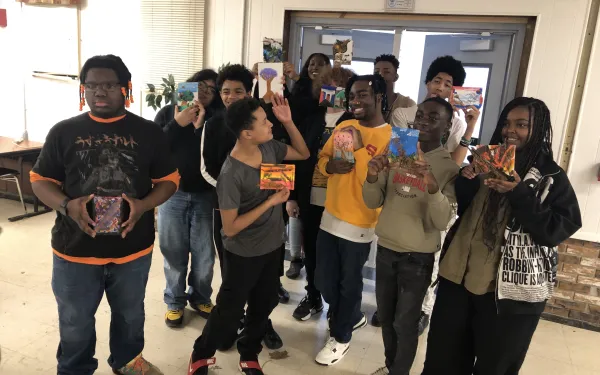
Learn more about the plants and ingredients essential to Middle Eastern Culture and Cuisine
Learn More About Crops, Cuisine, and Food Systems of the Middle East
Learn more about the plants and ingredients essential to Middle Eastern Culture and Cuisine